The Beauty of Imperfection in Alternative Processes
In handmade photography, perfection isn’t the goal — presence is.
Every mark, every inconsistency, every unexpected shift in tone becomes part of the print’s character. Instead of chasing flawless surfaces, we learn to recognise the quiet beauty in what the process gives us.
A gum layer that streaks slightly.
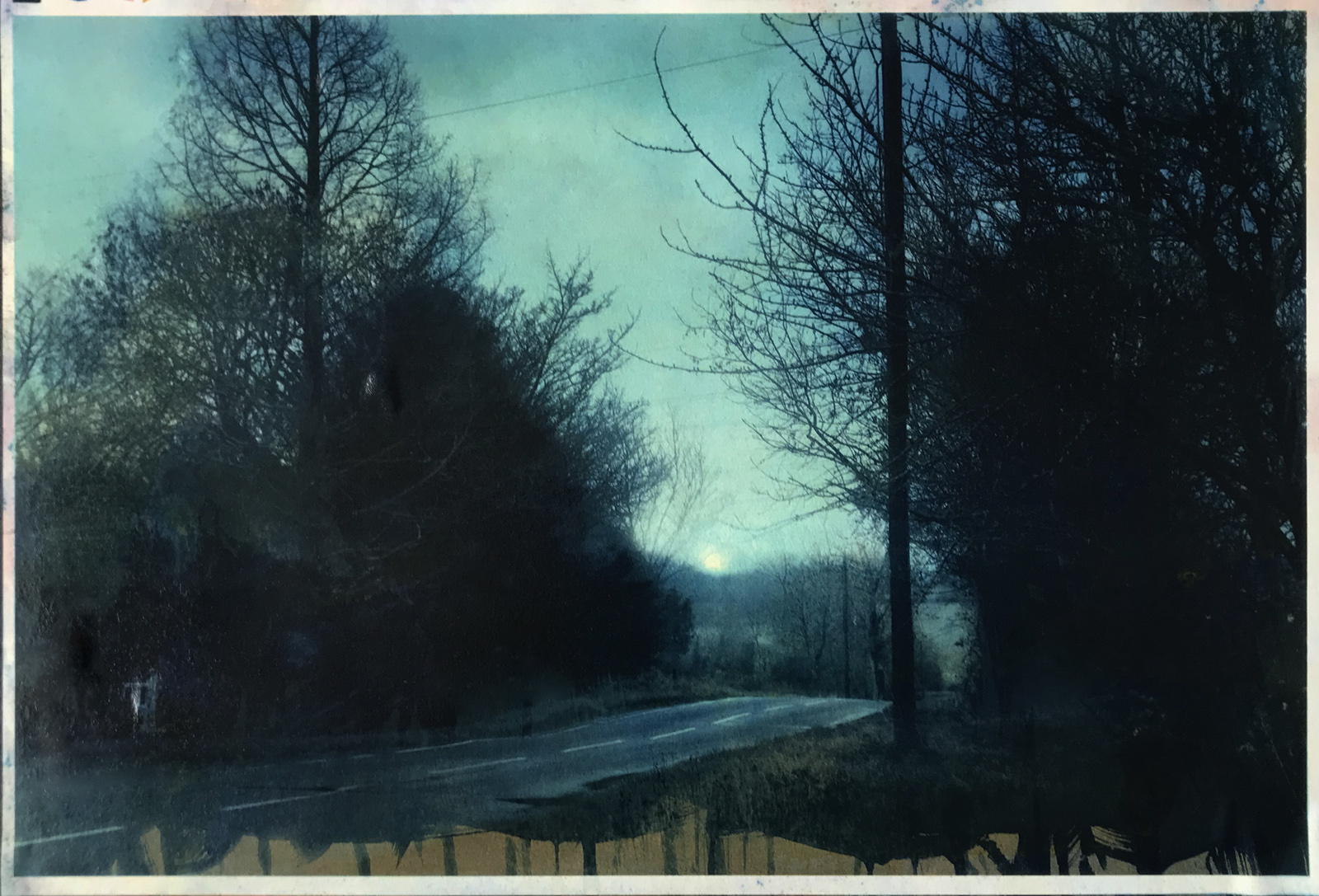
A brush mark the light didn’t fully hide.
A faint fingerprint near the edge.
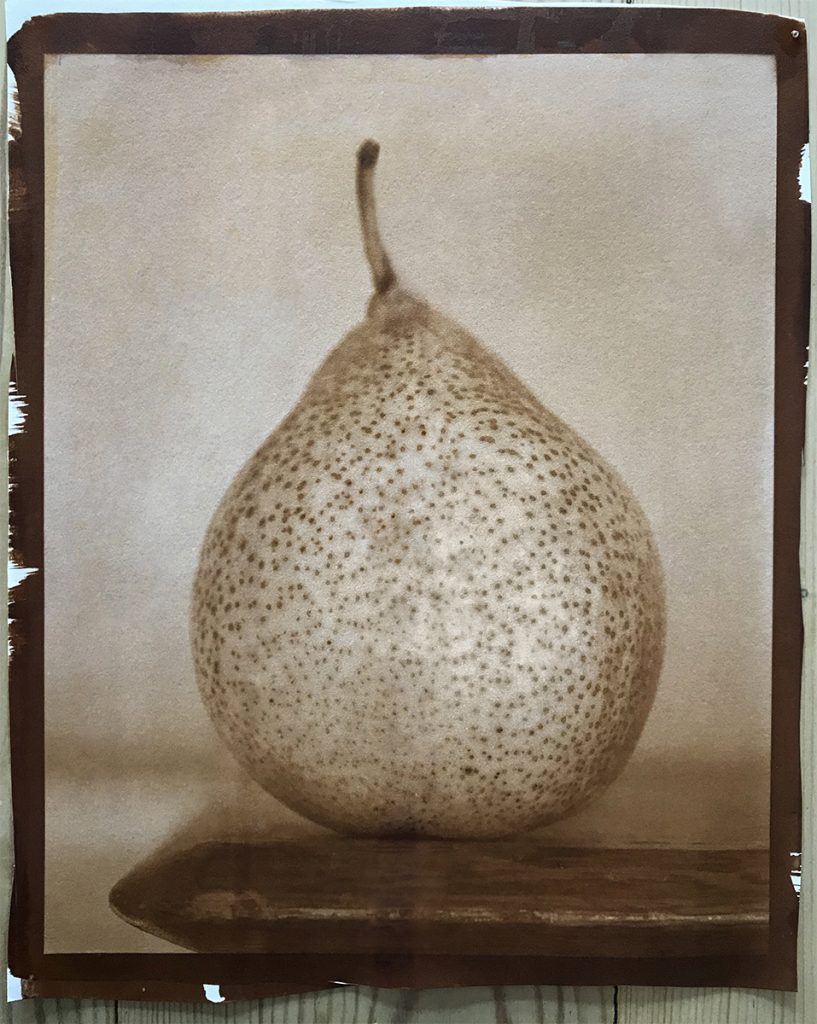
A salt print that dries with a gentle mottling along the border.
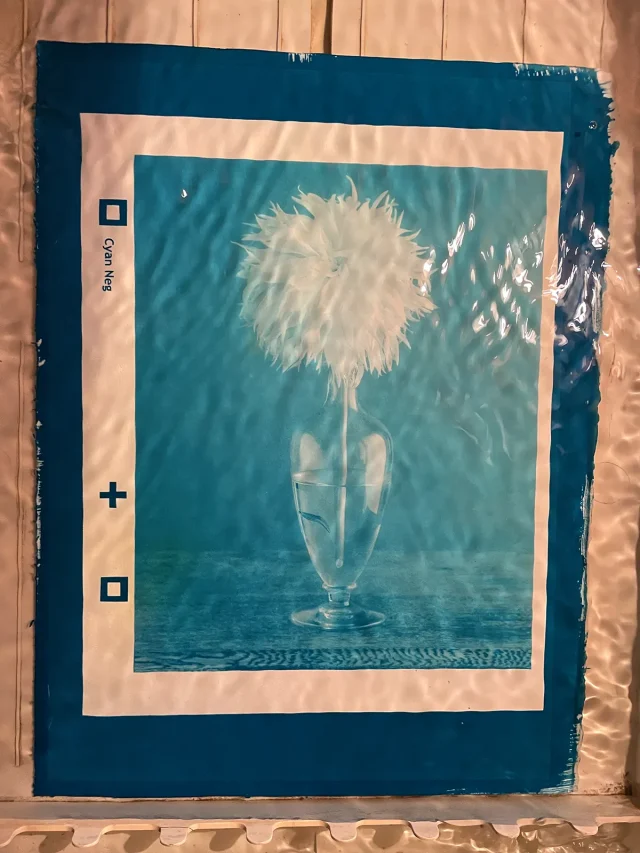
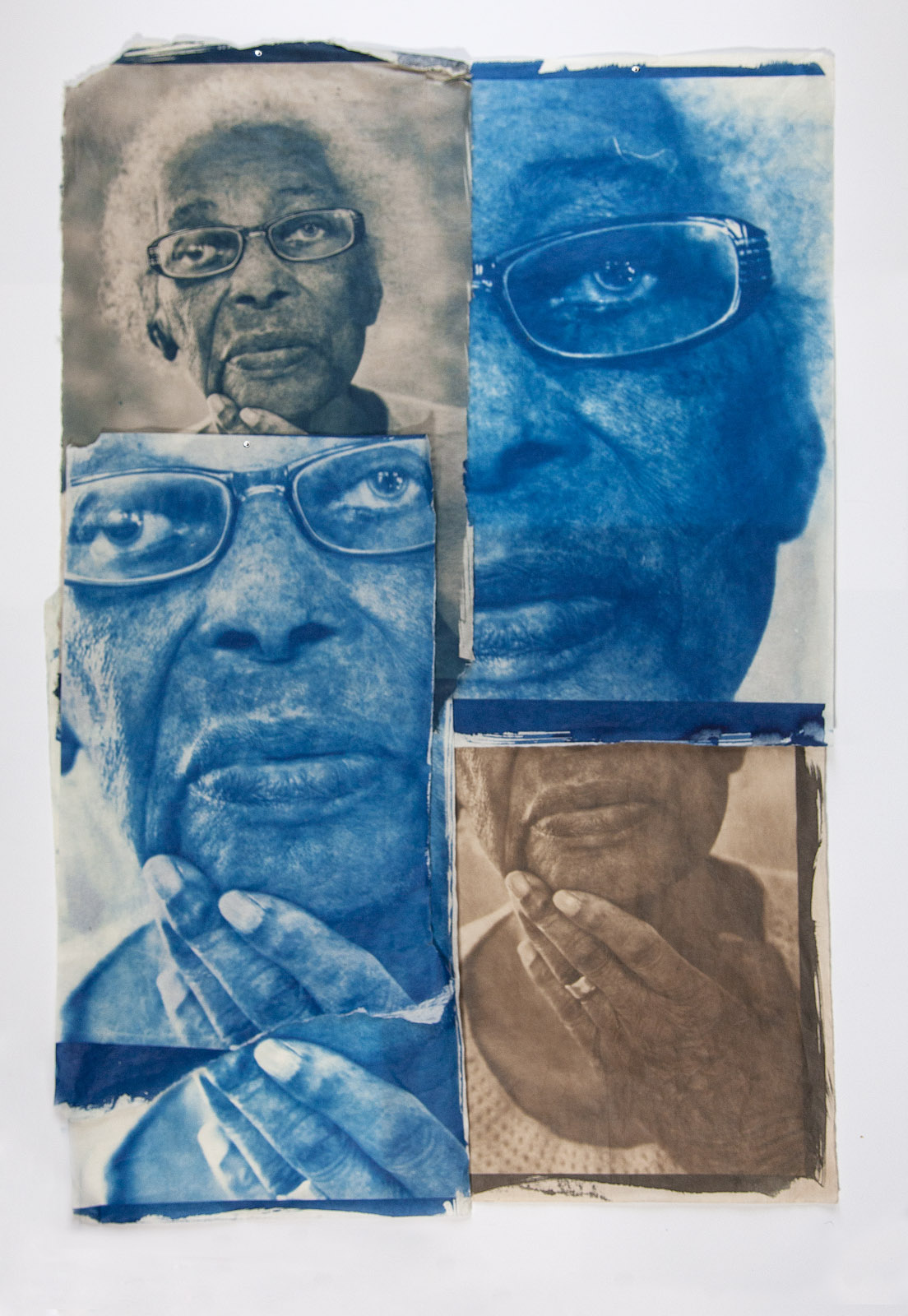
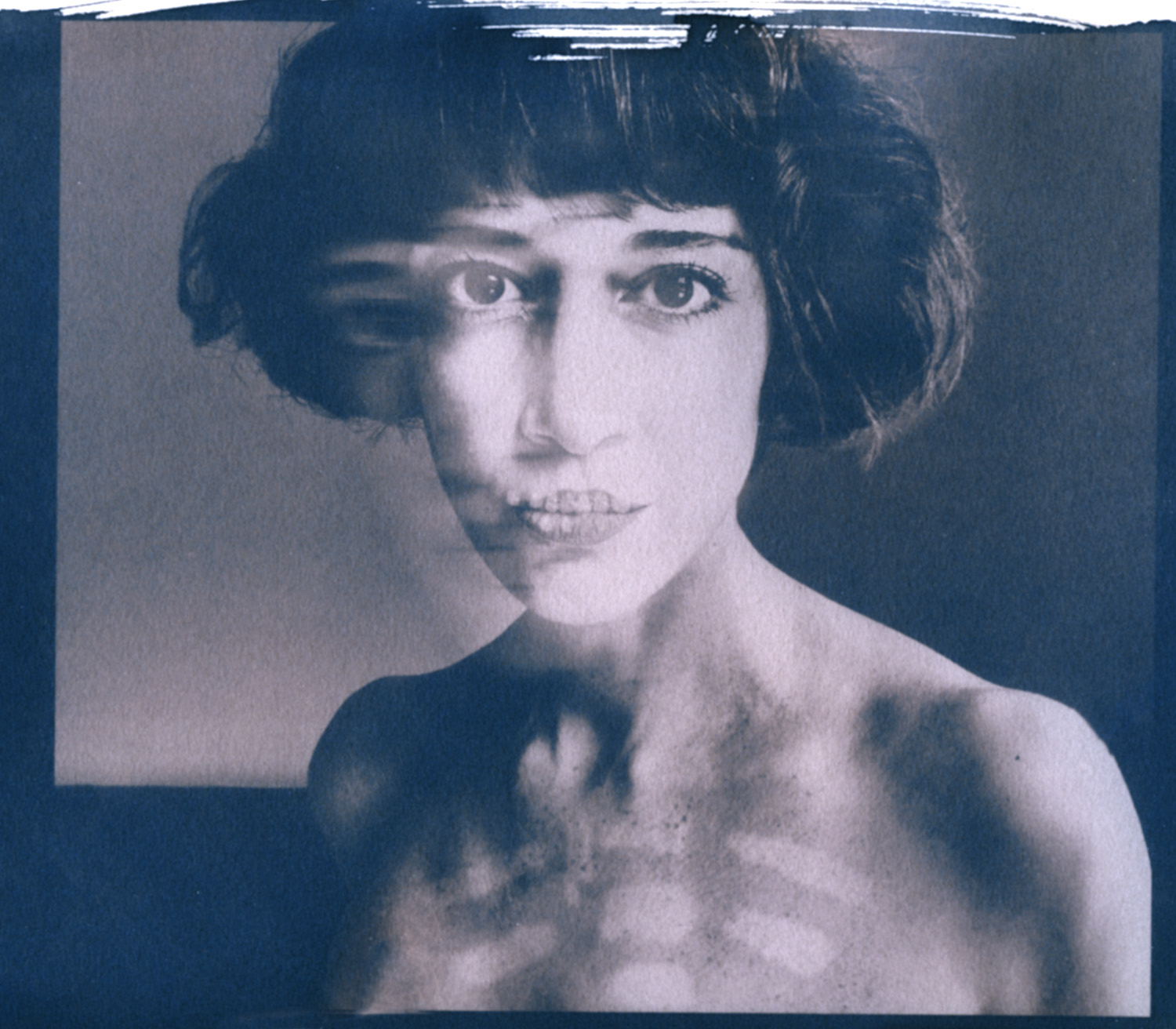
A cyanotype that blooms deeper in one corner than the other.
These aren’t mistakes — they’re signatures.
They show the hand, the time, the conditions, the decisions, the accidents, the materials. They remind us that handmade photography is a conversation between intention and chance.
Working slowly allows us to appreciate these imperfections.
To expect them.
To even welcome them.
The more you print, the more you realise how alive these processes are. Chemistry reacts differently with each sheet; humidity changes everything; paper behaves in ways you never quite predict. Even experience doesn’t eliminate surprises — it simply makes them feel less like interruptions and more like collaborators.
And occasionally, a print that didn’t go to plan becomes the one you treasure most.
A strange bloom of colour, a soft veil across the shadows, an uneven exposure that somehow feels truer than the one you meant to make.
Imperfections teach us to let go.
They remind us that our role isn’t to control every moment, but to guide the process with curiosity and care. Handmade photography is richer because it carries the marks of its making.
A perfect print can be beautiful.
But a flawed one can be unforgettable.