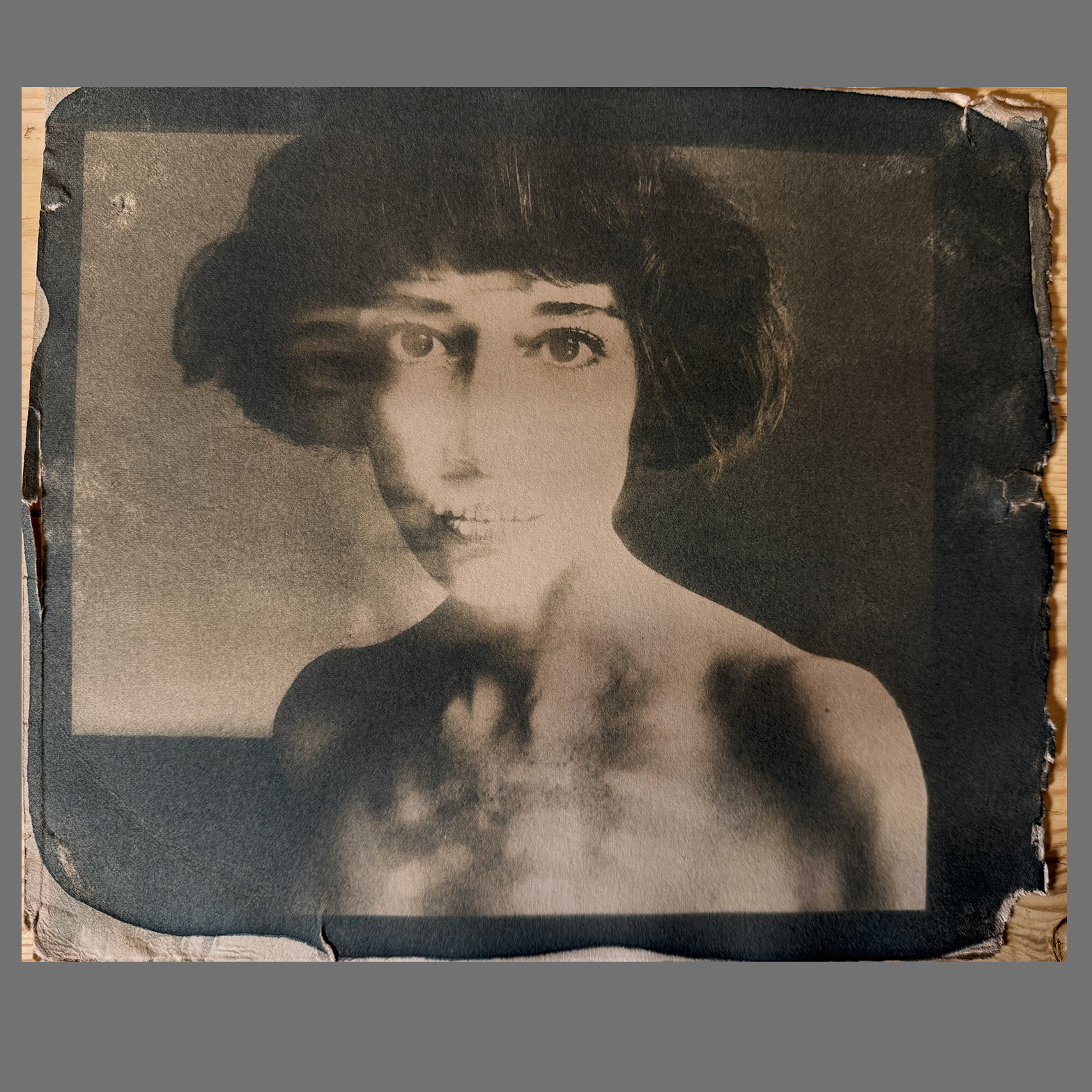
The Beauty of Failed Experiments
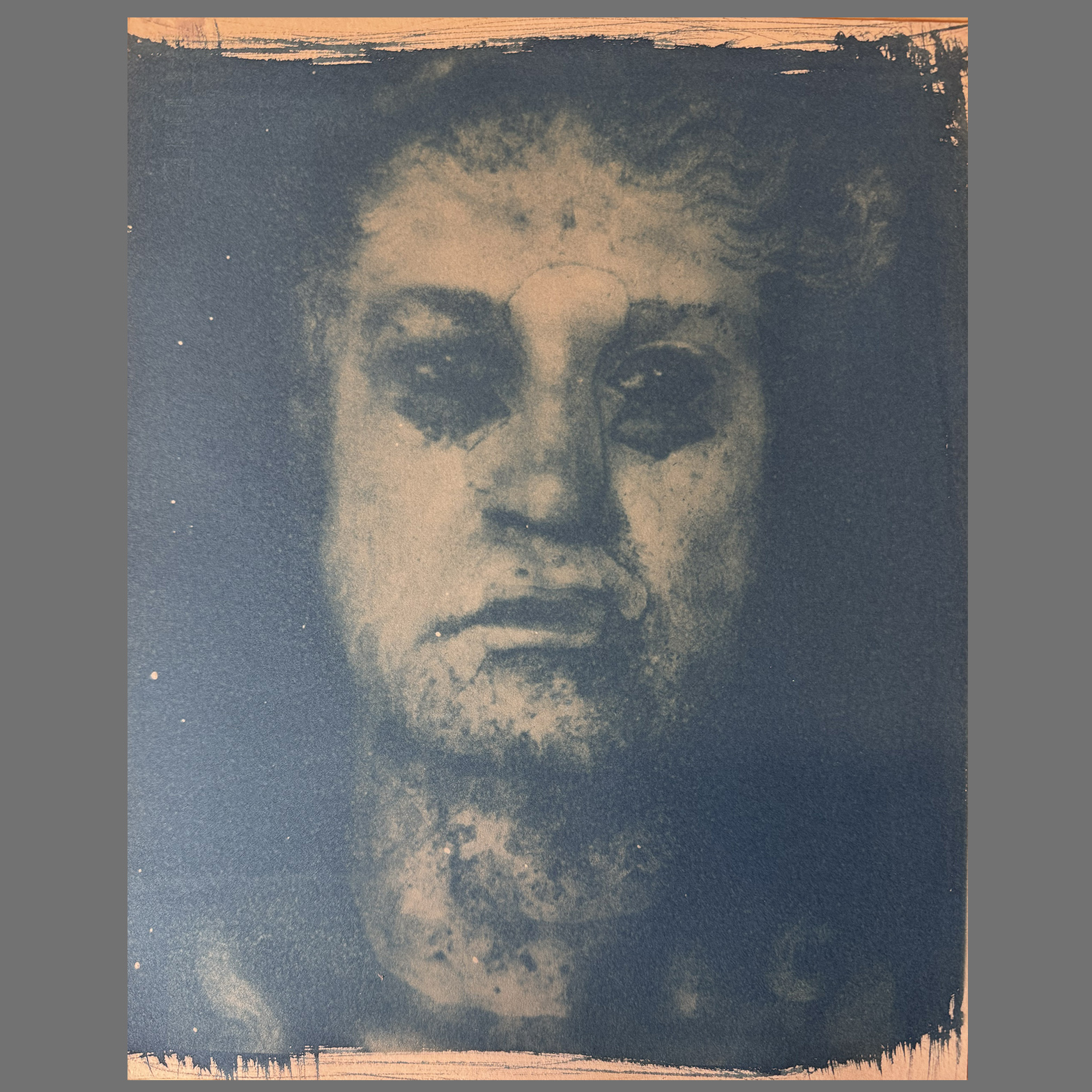
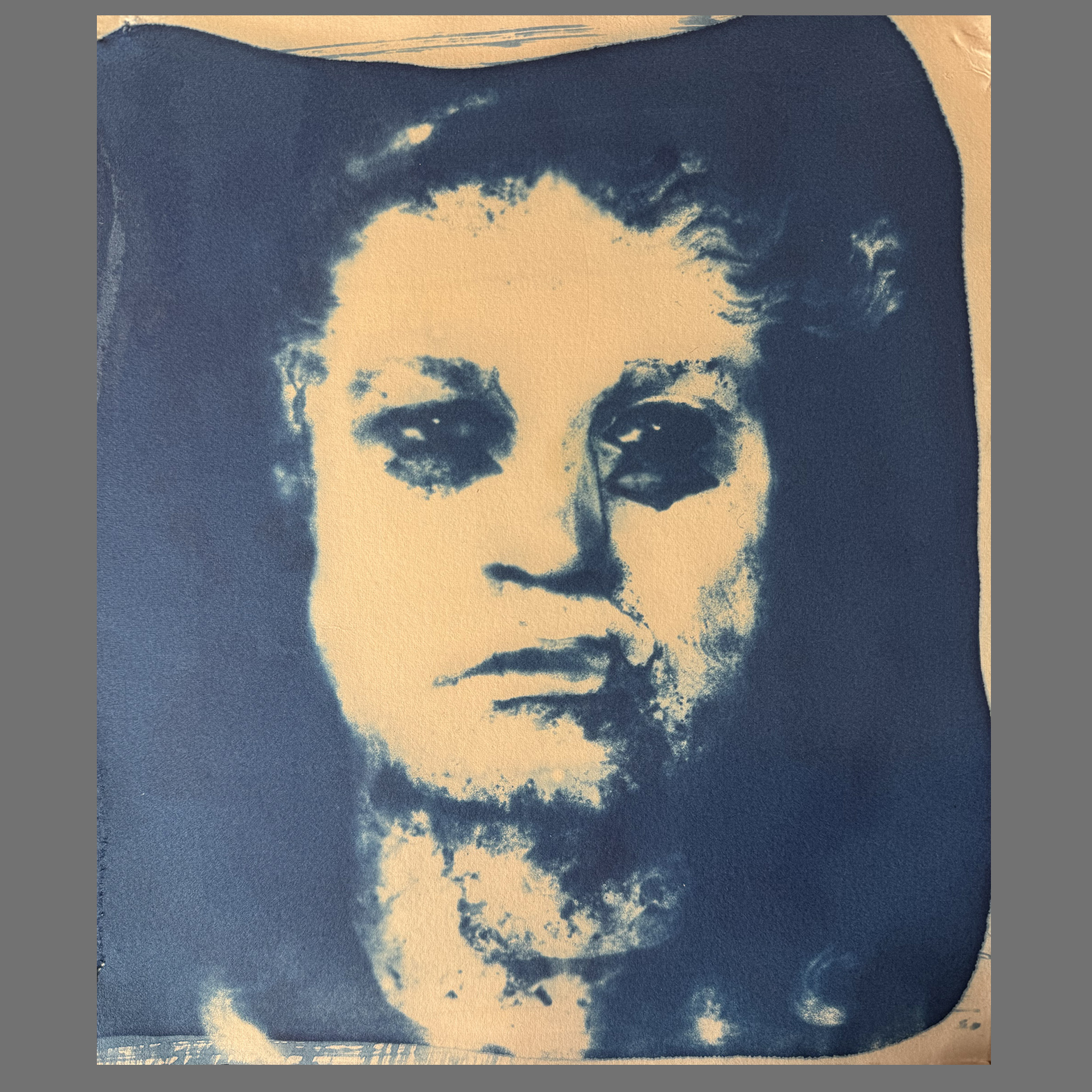
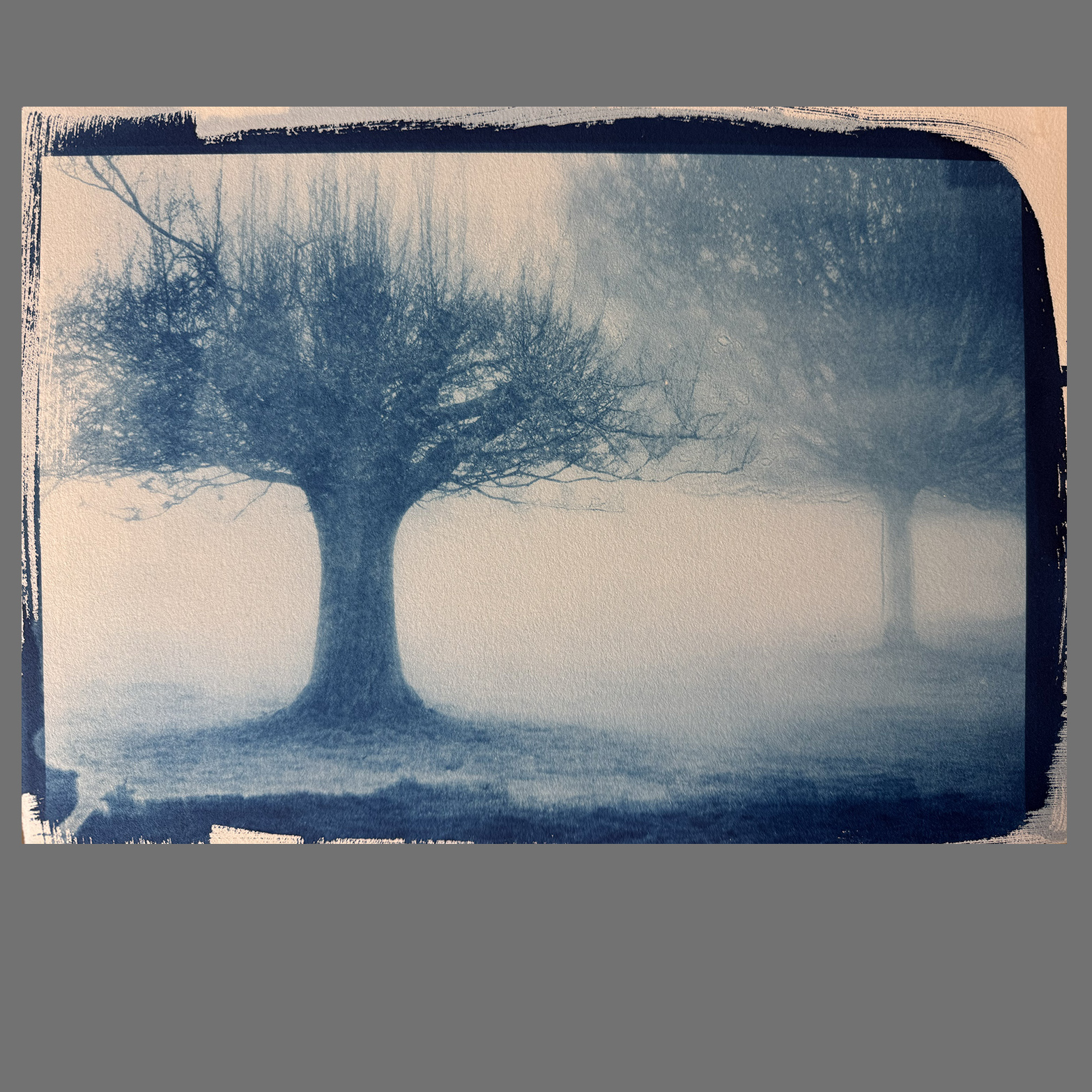
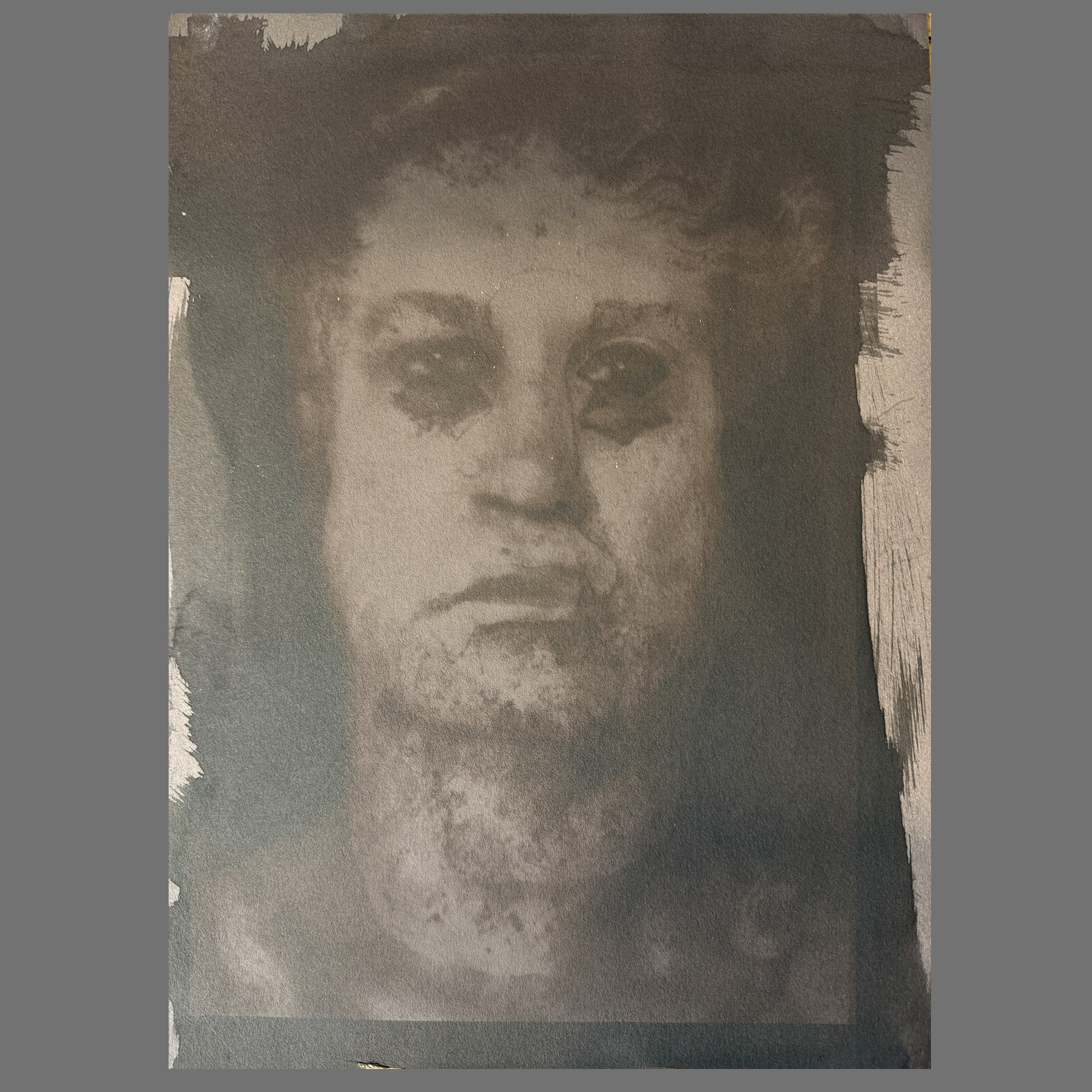
Every alternative process artist has a drawer — or a box — full of failures.
Uneven coatings, weak exposures, streaks, stains, chemistry that didn’t behave, paper that rebelled.
Images that didn’t quite become what you hoped.
We rarely talk about them, but they quietly teach us the most.
A failed print shows you where the brush hesitated, where the emulsion pooled, where time ran too fast or too slow.
It reveals the edges of your process — the places where control ends and material begins.
Sometimes the accidents are more interesting than the intention.
Over the years of teaching both photographers and artists, one thing has become very clear: most photographers — especially those from a darkroom background or a fully digital workflow — are taught, almost from the beginning, to chase the sacrosanct print.
Darkroom culture leans toward perfectionism: clean edges, flawless contrast, tight control.
Commercial photography takes that even further, rewarding precision over curiosity.
Artists, on the other hand, tend to welcome accidents with open arms.
A spill, a streak, a soft edge, a chemical bloom… these aren’t failures but possibilities.
They understand that materials have their own language, and that sometimes the most interesting work appears when you stop trying to steer everything.
That shift — from perfection to openness — is one of the most freeing parts of alternative process printing.
It reconnects you with play, discovery, and the sheer physical pleasure of making.
In digital work, mistakes vanish with a click.
In analogue and alt-process, mistakes are tangible.
They leave marks. They become part of your visual memory.
And occasionally, something unexpected emerges:
a soft tonal drift, a streak that looks like weather, a ghost in the print that changes everything.
Failures are not the opposite of good work.
They are the compost that good work grows from.