For those of us drawn to slow, thoughtful landscape work, David George needs little introduction.
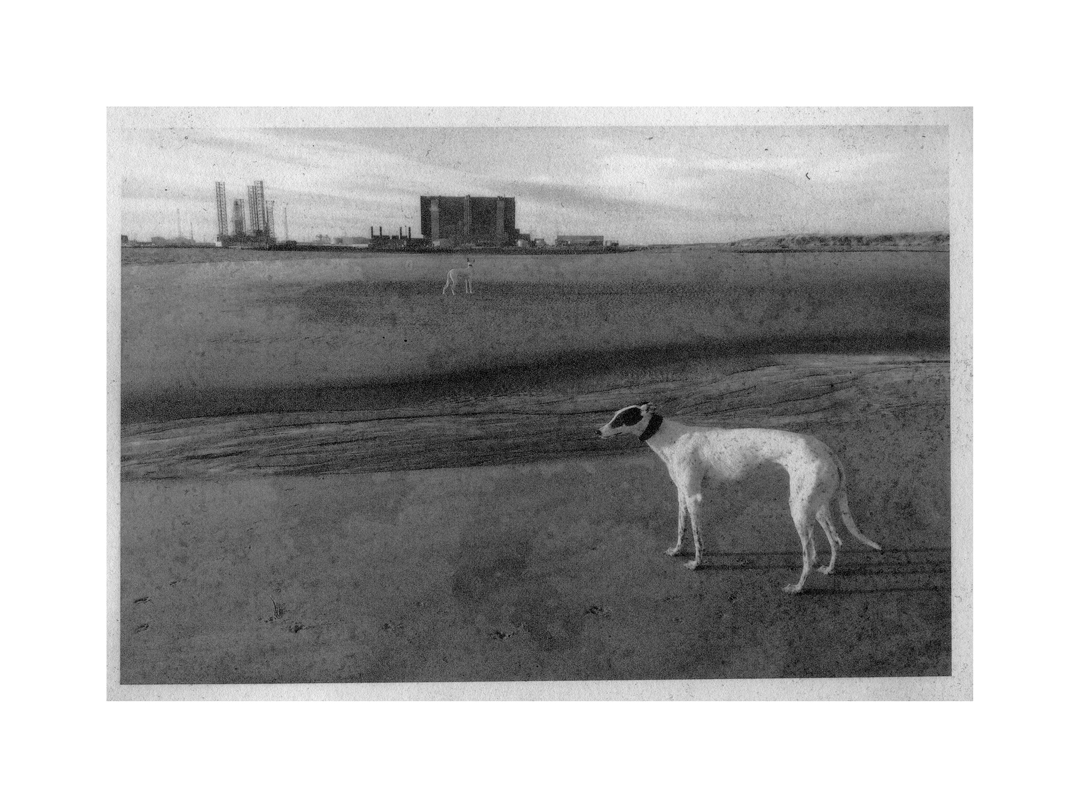
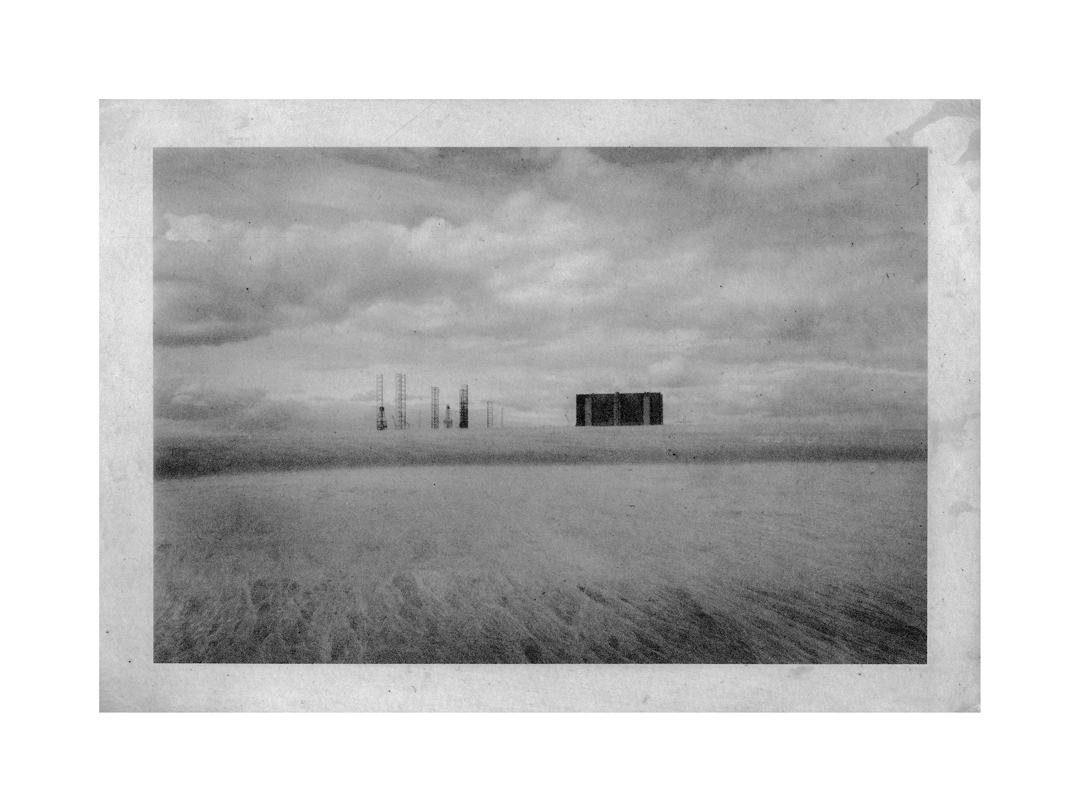
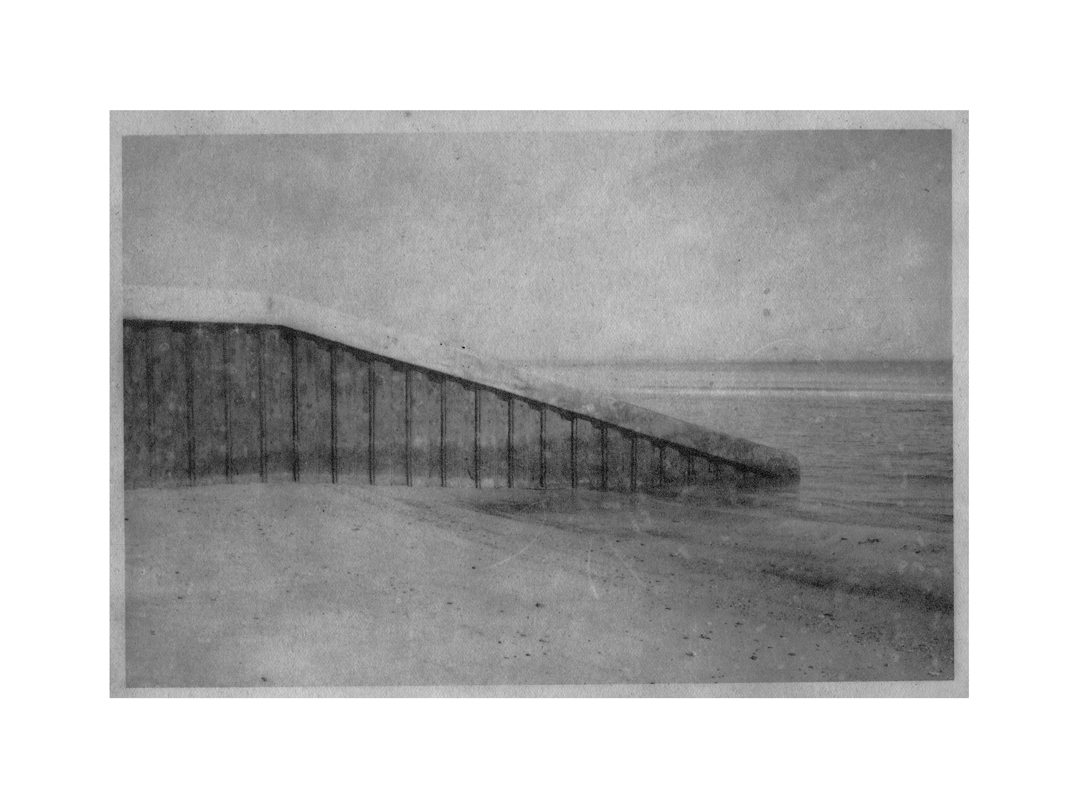
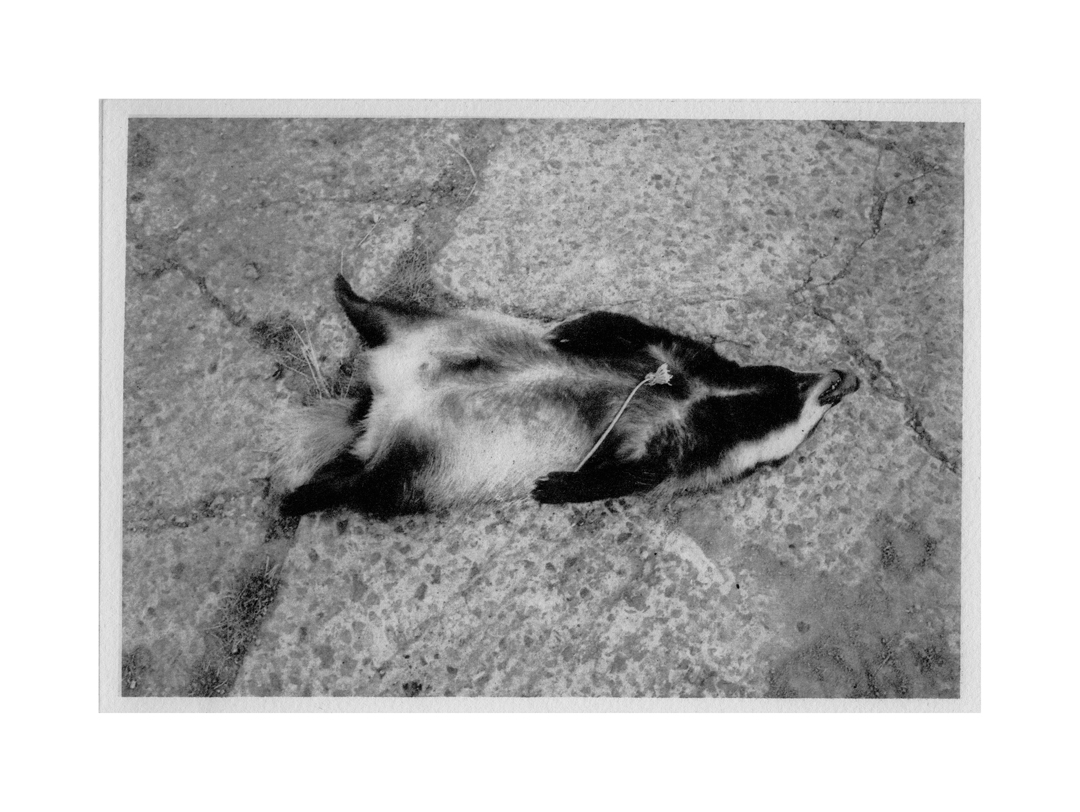
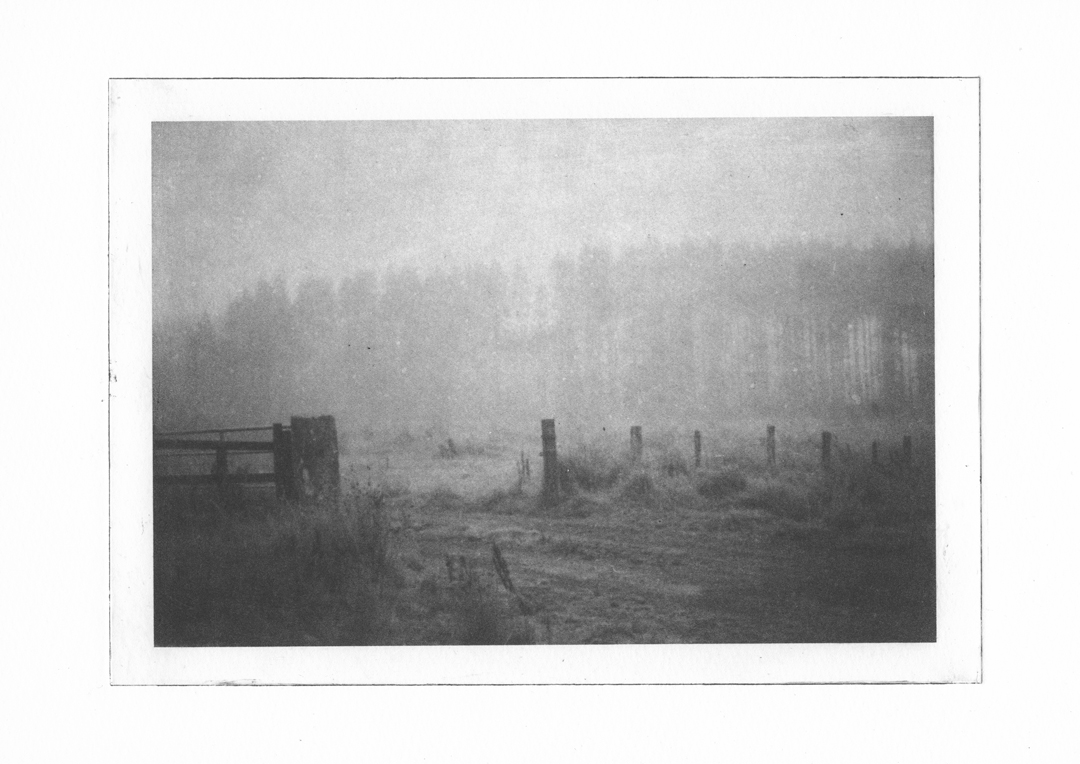
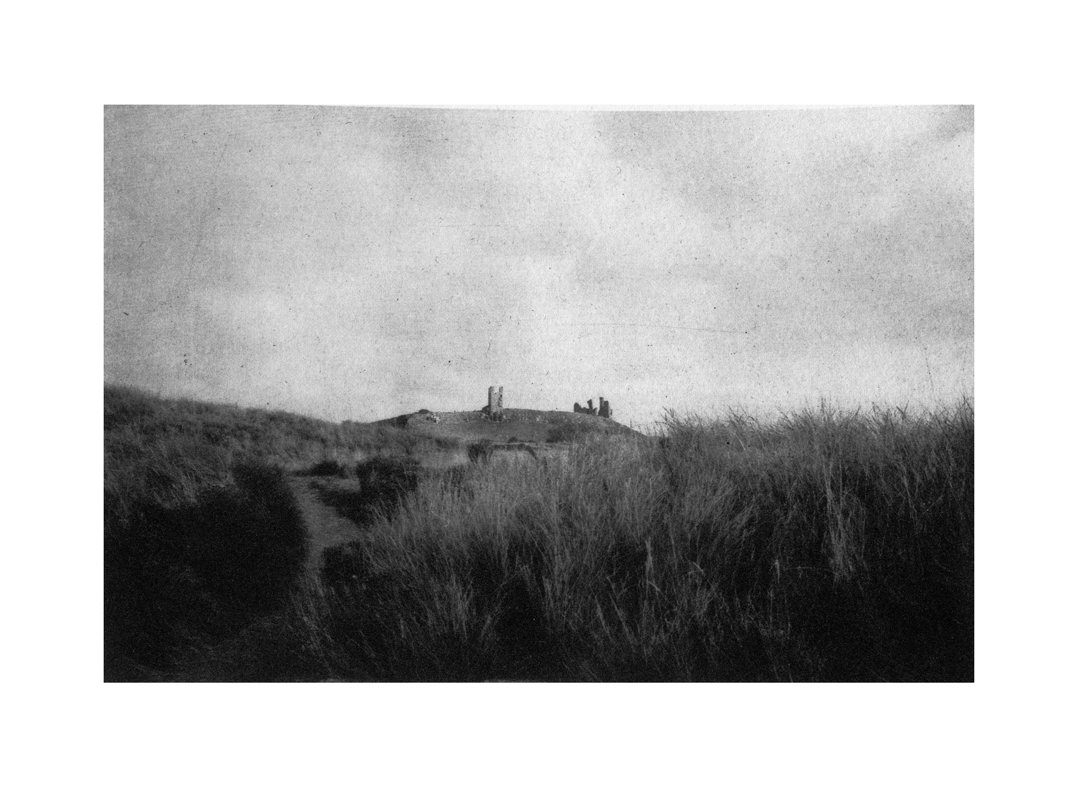
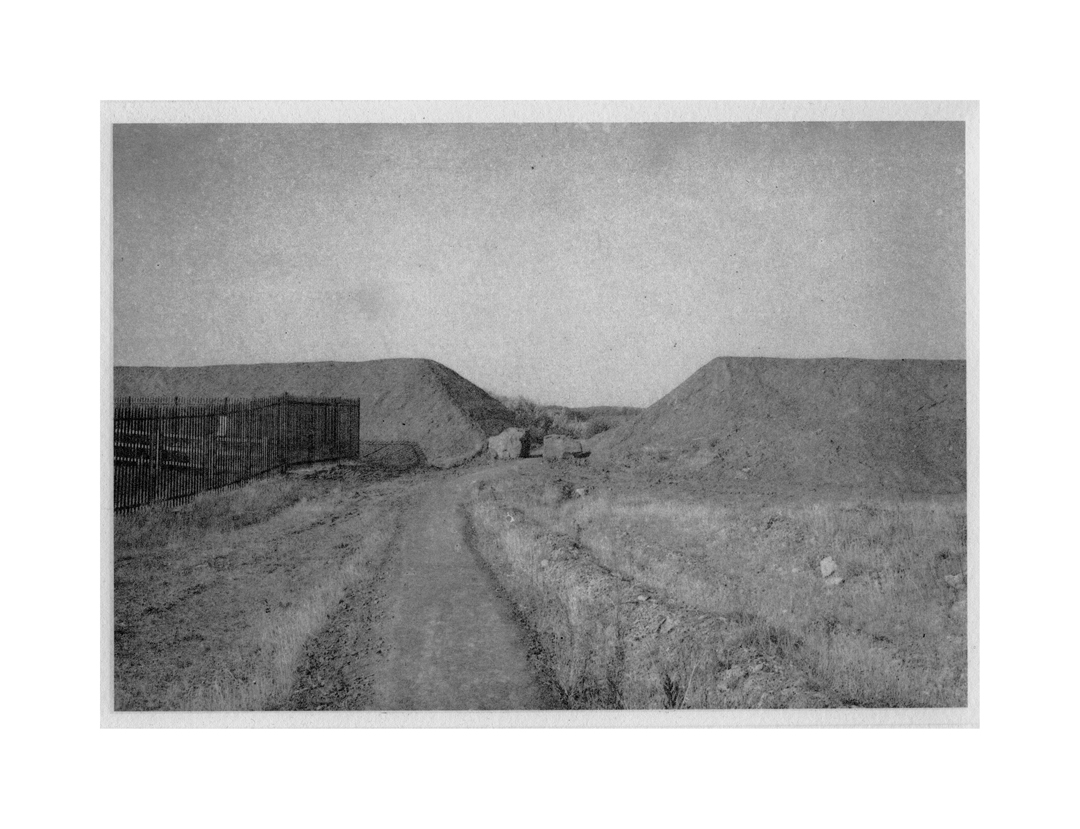
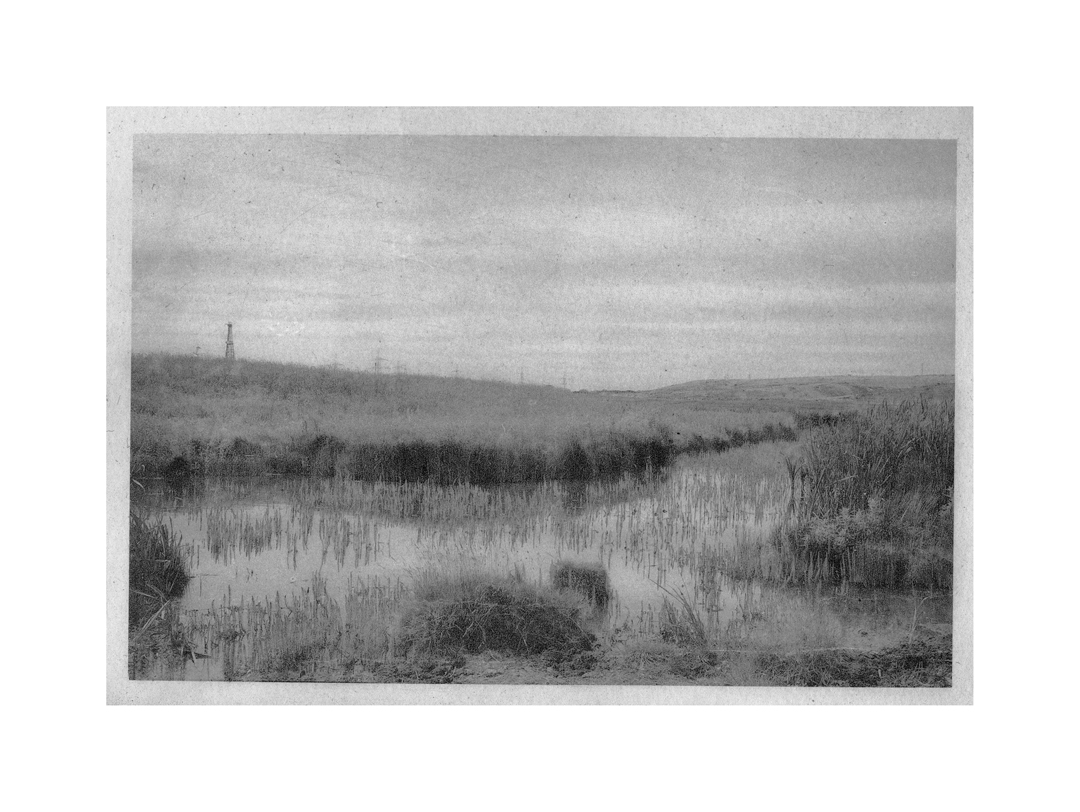
His East of Eden project — rendered through an extraordinary series of polymer gravure prints — brings together nineteenth-century aesthetics, long-distance walking, and a deep engagement with the shifting industrial histories of the North East.
Below is the full text outlining the project, including the walks that shaped it, the conceptual foundations behind the work, and the extensive gravure printing process. David will also be teaching a three-day polymer gravure workshop at the Neo-Pictorialist School of Photography in January 2026.
David George has been exploring photographic representations of the contemporary British landscapes for forty years and has incorporated themes prevalent in nineteenth century painting practice and aesthetic, to aid this exploration. He has appropriated the sublime, melancholy, the romantic, the pastoral and the uncanny to create something that not only represents the contemporary landscape in pictorialist way, but also making work that can be still viewed as documenting the landscape.
This series of images document the Rivers Tees ,Tyne and Wear as they traverse the topography of the North East. It uses the landscapes that have been created by the ever changing industrial, economic, political, and sometimes social needs and interventions along its course, from their source in the High Pennies on Cross Fell to their meeting with the North Sea on the Northeast coast of England .
The intention of this series was to document, using both analogue and digital photography, how these rivers cuts a deep, visible, timeline through the landscapes that have been formed by man’s use of the land over millennia. This occurs in a multitude of ways and the photographs show the evolution and adaptation the topographies have undergone as our industries and societies needs have changed, engaging with a landscape that constantly reinvents itself.
The “East of Eden” series derives its name from its geographical location high in the Pennines to the east of the Eden Valley where these three rivers first rise. In the Book of Genesis, the area east of the Garden of the Eden was known as the Land of Nod. Significantly ‘Nod’ is the Hebrew root of the verb ‘to wander’ and David George thought it was an apt way not only to describe the movement of a river through the landscape but also chimes with the way he undertook the project. This exhibition considers two strands of the project . The first looks at work made as David followed the River Tees from its source to the sea on a 10-day 200km walk in June 2018 which was to follow the river on foot from its source to its mouth over 10 day 200 kilometres walk in June 2018. The second strand is a series made from an eight day, 180km walk in September 2020 starting at the mouth of the River Tees following the coastline north to Scotland to connect the mouths of the three rivers.
David rendered a selection of the project as polymer gravure prints in an attempt to create images that contained both classical ( documentary ) and romantic ( subjective ) elements within the visual syntax of the work. He made over 100 plates and 2000 intaglio prints over a nine month period a small selection of which are shown here. These images will be published as a book in March 2026.
David is running a three day polymer gravure course at the Neo Pictorialist School of Photography, Ramsgate in January 2026. It is limited to 6 places and beginners are very welcome. Please contact David for further details. david@davidgeorge.eu
About David
David George’s interest in British landscape began under the tutelage of John Blakemore at Derby University and continues to be a major part of his practice, now mainly concerned with ideas of classical and romantic visual semantics in contemporary British landscape.
His work looks at the decline of traditional industries , incorporating his interest in 19th century European landscape painting.
David lives and works in east London and in 2009 he co- founded the Uncertain States project which championed contemporary thinking and practice in UK photography by means of a quarterly broadsheet, artists’ talks and exhibitions. The project ran for ten years and incorporated over 250 artists, writers and academics into the project.
David exhibits nationally and internationally and is an associate lecturer at London Metropolitan University and visiting lecturer at Norwich University of Arts. His work is in many private and institutional collections.