Why We Print
There’s a moment — a small moment — when an image stops being a file and becomes a thing you can hold.
There’s a shift from light on a screen to light embedded in fibres, chemistry, and of course time.
It’s easy to forget how profound that moment is, especially when we live in a world full of instant images — a constant sea of photographs on social media that can make your head spin.
Printing pulls us out of that rush.
It asks something from us: patience, attention, a decision about what deserves to leave the screen and take shape in the world.
A print commits to being real.
In alternative processes, that feeling deepens.
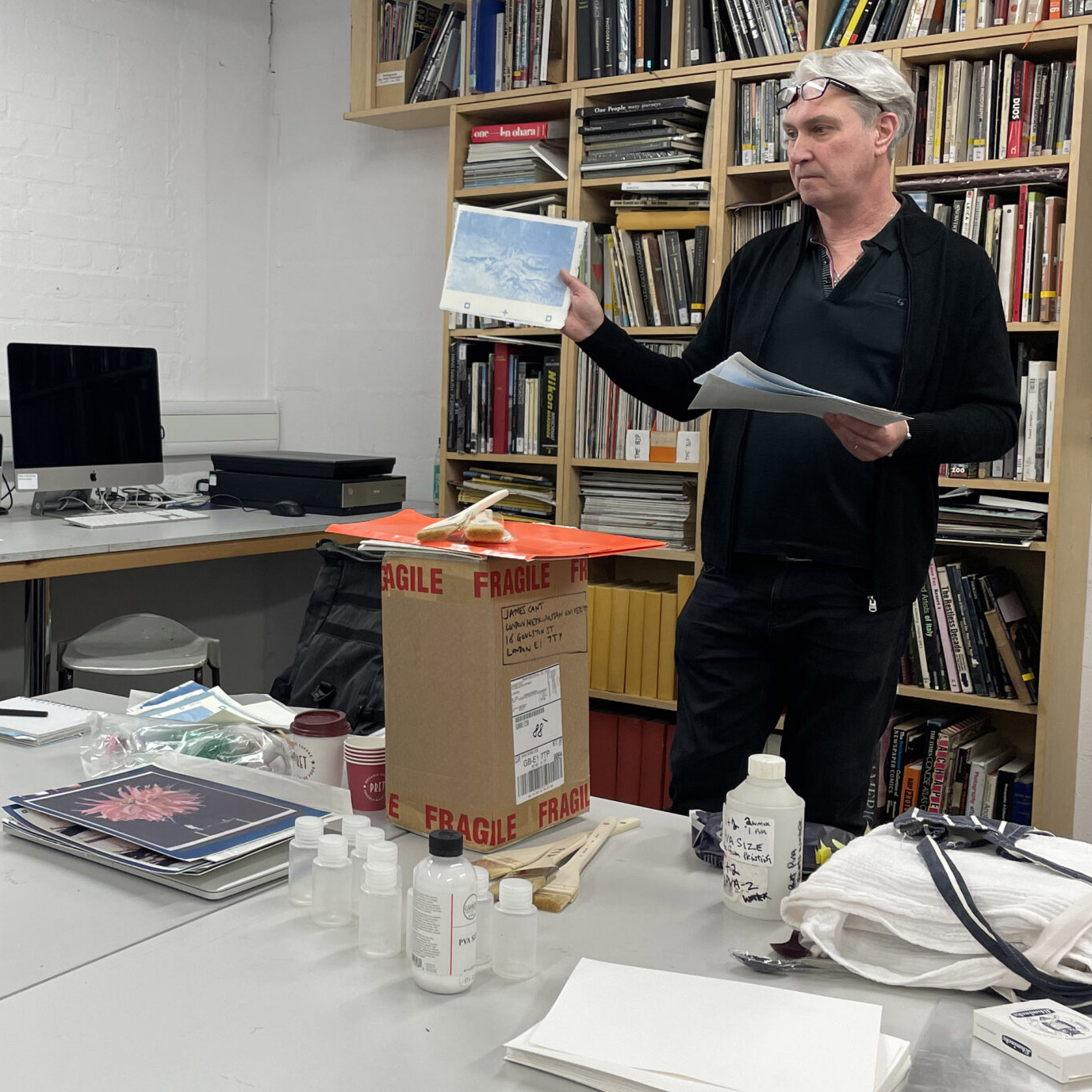
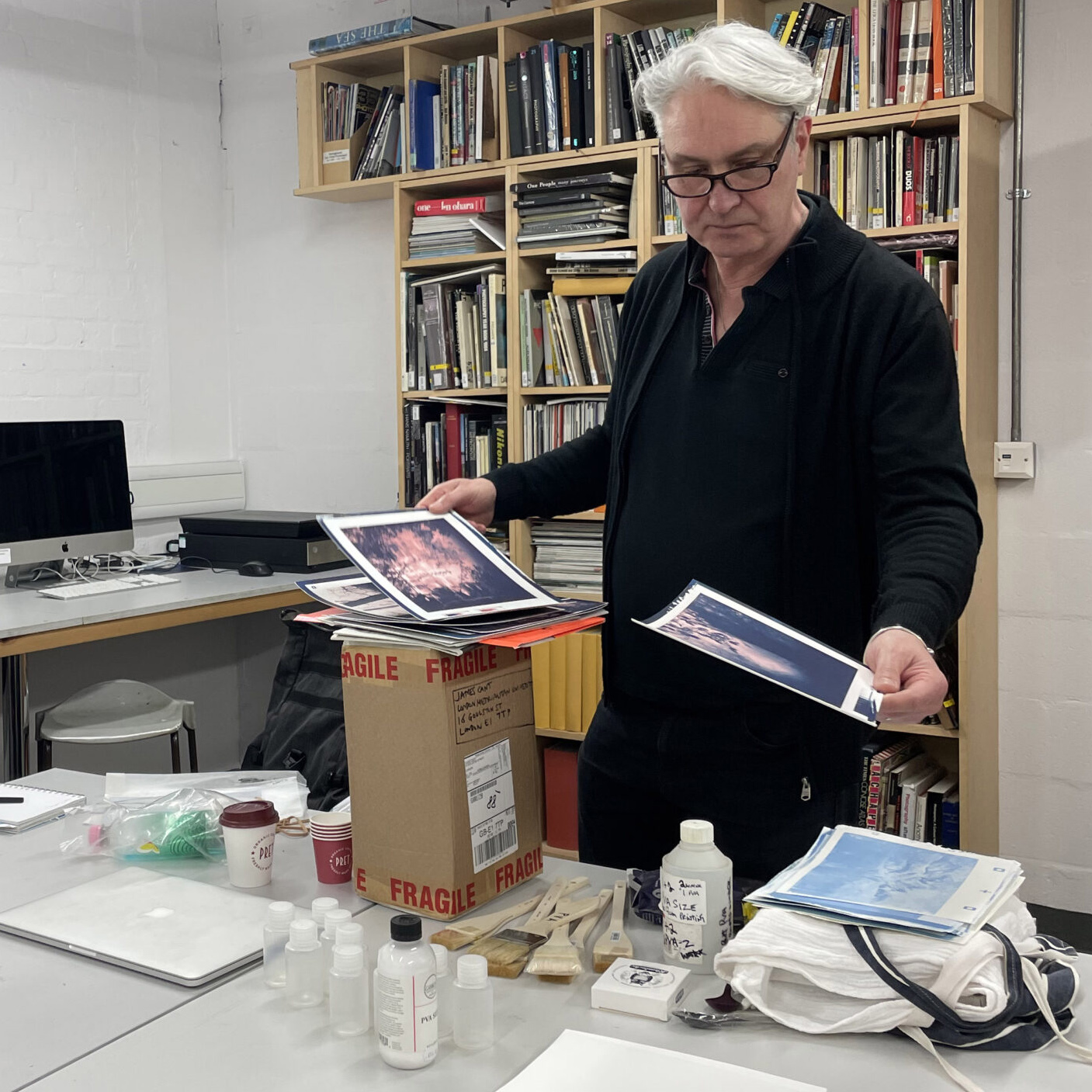
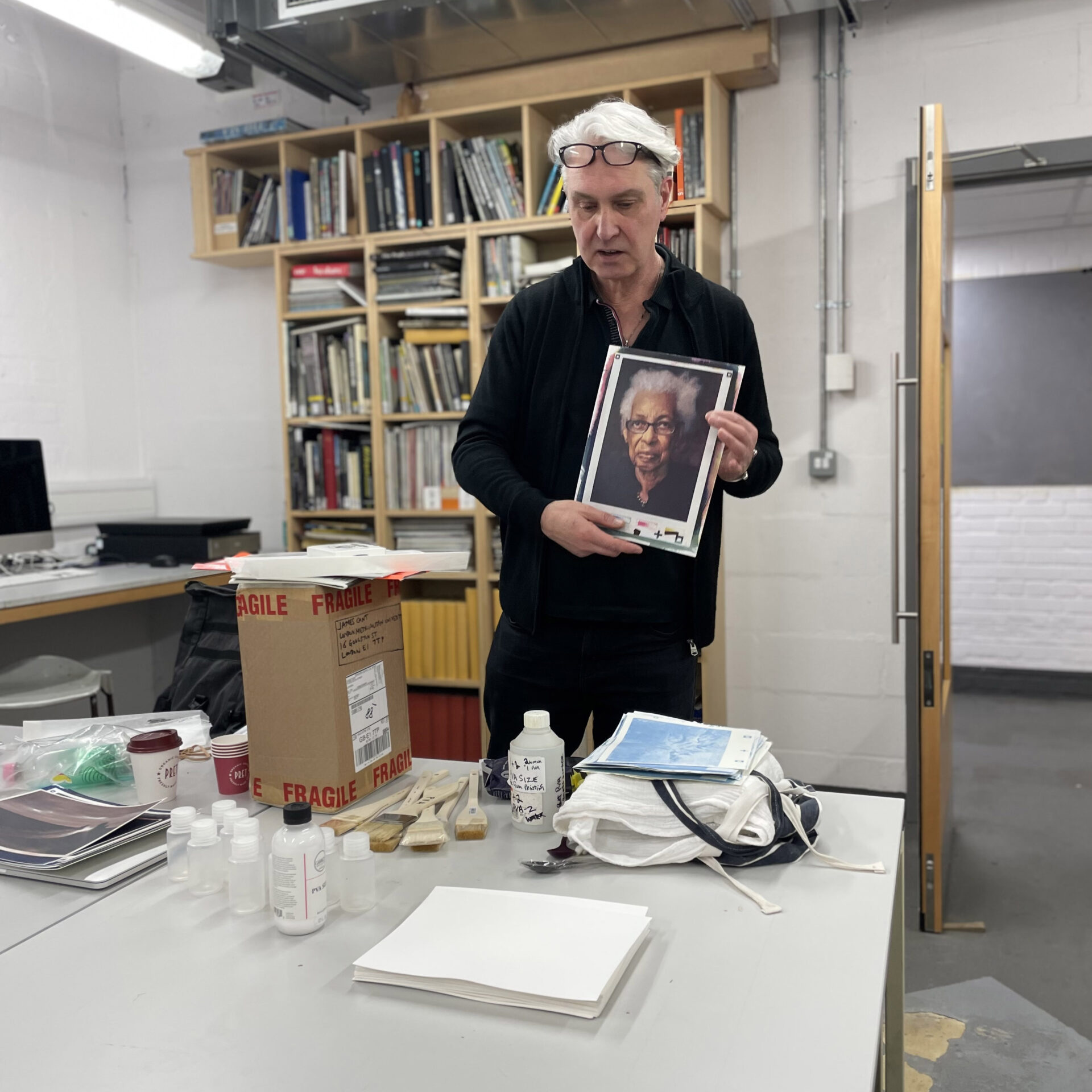
A print is not just an image — it becomes an object shaped by hand, breath, and the rituals of making.
The brushstrokes from coating, the grain and texture of the paper, the slight lift in the chemistry, the way light settles differently in every fibre.
All of it forms a physical presence a screen can never replicate.
We print because an image needs a body.
We print because holding something changes how we feel about it.
We print because the tactile world still matters — perhaps now more than ever.
And maybe most of all:
We print because a photograph only truly becomes itself when you hold it in your hands.